
Struggling to maintain an erection can be distressing, yet it is far more common than most men in Dubai assume. Understanding the causes of erection not lasting is the first step toward effective treatment. Physical health conditions, psychological pressures, and everyday lifestyle choices can all play a role. This article examines each factor in depth, outlines diagnostic approaches, and highlights proven management strategies, helping you take informed, confident action toward better sexual health.
Overview
- The most common causes of erection not lasting include cardiovascular disease, diabetes, hormonal imbalances, psychological stress, and unhealthy lifestyle habits, often acting in combination.
- Losing an erection during sex is more common than most men realise and does not always indicate a severe medical condition, though persistent difficulties warrant professional evaluation.
- Effective treatments range from oral medications and lifestyle changes to specialised therapies available at leading clinics in Dubai.
- Early diagnosis and an honest conversation with a qualified urologist are the most reliable steps toward restoring sexual confidence and overall wellbeing.

Causes of Erection Not Lasting
Erectile dysfunction is the clinical term for erections that are too weak or too brief to sustain satisfactory intercourse. It rarely stems from a single issue. In most cases, the causes of erection not lasting involve a combination of physical, psychological, and lifestyle-related factors. Men across Dubai and the wider UAE increasingly seek help for this concern, reflecting both growing health awareness and access to world-class medical infrastructure.
Physical Causes
The most frequent physical causes of weak erection involve the vascular, neurological, or endocrine systems. Key physical contributors include:
- Cardiovascular disease: atherosclerosis, high blood pressure, and elevated cholesterol damage blood vessel walls, reducing blood flow to the penis. ED is often the earliest warning sign of heart disease.
- Diabetes: damages both blood vessels and nerves critical to erectile function over time.
- Neurological disorders: multiple sclerosis, Parkinson’s disease, and spinal cord injuries interrupt the nerve signals required to initiate and sustain an erection.
- Low testosterone: plays a crucial role in sexual desire and erectile response. Deficiency directly impairs both.
- Peyronie’s disease: scar tissue inside the penis restricts tissue expansion during arousal.
- Pelvic surgery or radiation: procedures involving the prostate, bladder, or rectum can damage nerves and blood vessels critical to erectile function, making post-surgical ED a well-documented concern among urologists practising in Dubai and internationally.
Psychological Causes
Mental health exerts a powerful influence on sexual performance. The most common psychological contributors include:
- Stress: work, financial, or relationship stress elevates cortisol, suppressing the hormonal and neurological pathways needed for an erection.
- Performance anxiety: fear of failing to satisfy a partner creates a self-reinforcing cycle where worry about one episode triggers the next.
- Depression and anxiety disorders: strongly associated with ED both as direct causes and as side effects of the medications used to treat them.
- Relationship conflicts: unresolved tension, guilt, and low self-esteem erode sexual confidence.
It is worth noting that psychological and physical causes frequently overlap. A man with mild vascular impairment may function adequately until stress tips the balance.
Lifestyle Factors
Daily habits play a surprisingly large role in erectile health. Major lifestyle risk factors include:
- Smoking: damages blood vessel linings and accelerates atherosclerosis.
- Excessive alcohol: depresses the central nervous system and reduces sexual arousal.
- Recreational drugs: cannabis, cocaine, and others impair erectile function acutely and, with chronic use, permanently.
- Obesity: promotes inflammation, disrupts hormone balance, and increases the likelihood of diabetes and cardiovascular disease, each independently contributing to causes of weak erection.
- Sedentary behaviour: reduces cardiovascular fitness and overall blood flow.
- Poor sleep: particularly untreated obstructive sleep apnoea, which lowers testosterone levels.
- Poor diet: high-sugar, high-processed-fat diets promote endothelial dysfunction, whereas Mediterranean-style diets support vascular health.
Common Reasons for Losing an Erection During Sex
Losing firmness during intercourse is a distinct and common complaint that may not qualify as full-blown erectile dysfunction. Common situational triggers include:
- Condom application or positional changes causing momentary distraction
- Fatigue or alcohol intake before sex
- Relationship tension or unresolved conflict
- Performance pressure: the moment a man notices slight softness and begins to worry, the sympathetic nervous system redirects blood away from the genitals
Some men achieve an initial erection but lose it quickly, sometimes confusing the problem with premature ejaculation. If you have concerns about ejaculatory control as well, exploring premature ejaculation treatment in Dubai can provide additional clarity.
Medical conditions such as venous leak, where blood escapes the erectile chambers faster than it enters, can also explain mid-intercourse softening and often require specialised diagnostic testing.
Symptoms and Risk Factors
Erectile dysfunction exists on a spectrum. Common symptoms include:
- Reduced firmness or inability to achieve full rigidity
- Shorter duration of erection
- Decreased frequency of morning erections
- Diminished sexual desire
Key risk factors include:
- Age (particularly over 40)
- Diabetes and hypertension
- High cholesterol and obesity
- Smoking and sedentary lifestyle
- History of pelvic surgery or radiation therapy
- Mental health conditions and chronic stress
- Certain medications such as antidepressants, antihypertensives, and antiandrogens
Men in Dubai may face additional lifestyle-related pressures, including long working hours, high-stress professional environments, and dietary patterns heavy in processed foods. These factors, combined with the region’s high diabetes prevalence, make erectile dysfunction a particularly relevant health concern in the UAE.
How Is Erectile Dysfunction Diagnosed?
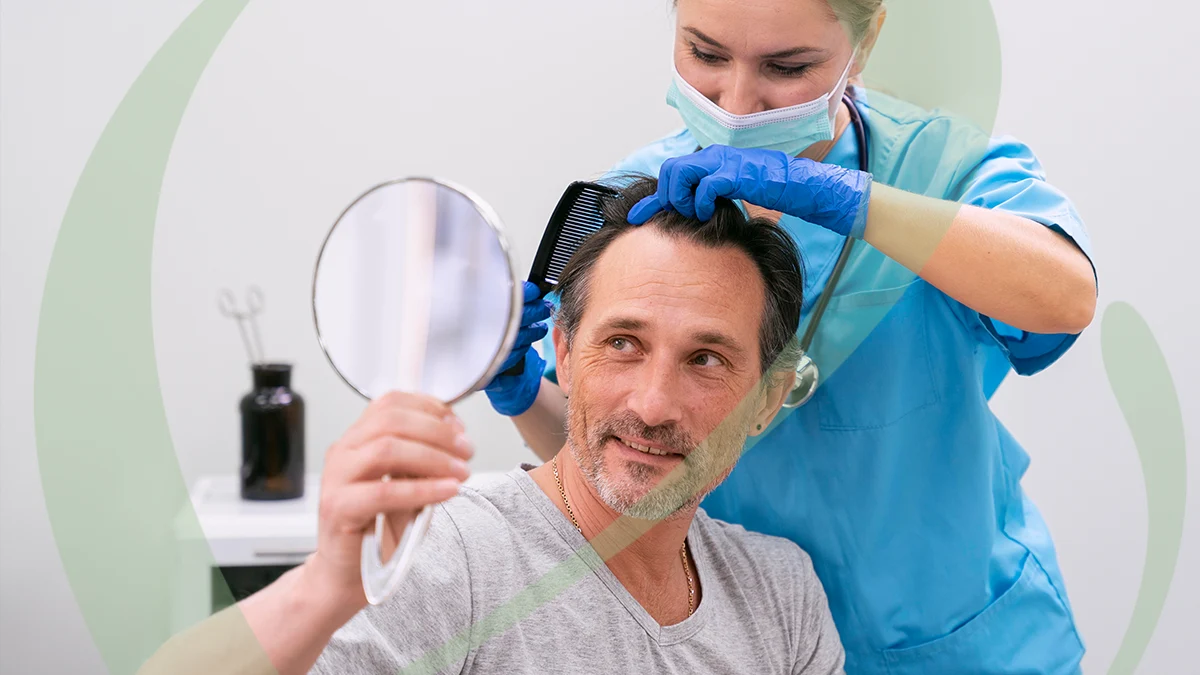
Diagnosing the root cause of erectile dysfunction requires a thorough clinical evaluation. No single test confirms ED; rather, the diagnosis relies on a combination of patient history, physical examination, and targeted investigations. A qualified urologist, ideally the best urologist in UAE, will approach the evaluation systematically, ruling out reversible causes before considering more invasive testing.
What Happens at Your Appointment
During the initial consultation, your doctor will gather information and perform assessments including:
- Detailed history: questions about onset, frequency, severity, current medications, psychological wellbeing, and lifestyle habits.
- Morning erection assessment: questions about nocturnal and morning erections help distinguish psychological from organic causes.
- Physical examination: blood pressure, heart rate, genital anatomy, peripheral pulses, and signs of hormonal deficiency.
- Blood tests: fasting glucose, lipid profile, testosterone (total and free), thyroid function, and prolactin levels.
- Advanced investigations (if needed): penile Doppler ultrasound for blood flow, nocturnal penile tumescence testing, or psychological screening tools.
In Dubai, leading diagnostic facilities offer same-day laboratory results and advanced imaging, enabling efficient and accurate diagnosis without unnecessary delays.
Management and Treatment Options
Treatment for erectile dysfunction is guided by the underlying cause, severity, patient preference, and overall health status. In many cases, a multi-pronged approach combining medical therapy with lifestyle modification delivers the best outcomes.
Medical Treatments
First-line and advanced treatment options include:
- PDE5 inhibitors: sildenafil (Viagra), tadalafil (Cialis), vardenafil (Levitra), and avanafil (Stendra). These enhance the natural erectile response by increasing blood flow during sexual stimulation, with roughly 70% effectiveness.
- Intracavernosal injections: alprostadil or combination agents for men who do not respond to oral medications.
- Vacuum erection devices: a non-pharmacological option that draws blood into the penis mechanically.
- Testosterone replacement therapy: appropriate when blood tests confirm a hormonal deficiency.
- Penile prosthesis implantation: a permanent surgical solution for severe or treatment-resistant cases with high satisfaction rates.
A men’s health clinic in Dubai can guide patients through each tier of treatment based on clinical findings.
Can I Blame My Medicines?
Certain medications are well-known contributors to erectile difficulty:
- SSRIs (antidepressants): commonly cause delayed orgasm and reduced erectile quality.
- Beta-blockers and thiazide diuretics: affect blood flow and arousal.
- Antiandrogens and some antipsychotics: suppress hormonal pathways involved in erection.
If you suspect your medication is affecting your erections, do not stop taking it without consulting your doctor. Switching to an alternative drug or adjusting the dosage can often resolve the problem without compromising treatment of the underlying condition.
Could My Lifestyle Play a Role?
Lifestyle modification is arguably the most powerful and most underutilised treatment for erectile dysfunction. Key changes that improve erectile function include:
- Exercise: at least 150 minutes of moderate-intensity aerobic activity per week improves cardiovascular fitness and endothelial function. Studies show exercise alone can match PDE5 inhibitor results in mild to moderate ED.
- Weight loss: restores hormonal balance, reduces inflammation, and lowers diabetes and cardiovascular risk.
- Quit smoking: yields measurable improvements in erectile function within weeks.
- Reduce alcohol: limiting intake before and in general supports arousal and performance.
- Stress management: mindfulness, cognitive behavioural therapy, and quality sleep all contribute to better sexual health.
- Diet: a Mediterranean-style diet rich in olive oil, fish, nuts, fruits, and vegetables is associated with lower rates of ED.
How About My Age?
Age is a significant risk factor but not destiny. Key facts about age and ED:
- Roughly 40% of men experience some degree of ED by age 40, increasing by about 10% per decade.
- Age alone does not cause ED. Age-related declines in vascular health, testosterone, and fitness create a higher-risk environment.
- Many older men maintain excellent erectile function into their seventies by staying active, managing chronic conditions, and maintaining a healthy weight.
- Younger men who smoke, are sedentary, or carry excess weight may experience ED far earlier than expected.
The key takeaway is that age-related ED is largely mediated by modifiable health factors, and addressing those factors can substantially slow or reverse the decline.
What You Can Do to Stay Hard During Sex
Practical strategies can complement medical treatment. Effective approaches include:
- Prioritise foreplay: adequate arousal before penetration ensures the erectile response is fully established.
- Communicate with your partner: open dialogue reduces performance anxiety and removes pressure.
- Pelvic floor exercises (Kegels): consistent training over three to six months can improve erectile function in men with mild to moderate ED.
- Limit alcohol before sex: even moderate intake can impair firmness.
- Choose comfortable positions: familiar positions reduce distraction and physical strain.
- Ensure adequate lubrication: reduces friction that can cause discomfort and distraction.
- Try thinner condoms: if condom-related softening is an issue, thinner varieties or a small amount of lubricant inside the condom may help.
- Practice mindfulness: focusing on physical sensation rather than performance outcomes has demonstrated effectiveness in clinical trials for psychogenic ED.
When to See a Doctor
You should consult a healthcare professional if:
- Erectile difficulties persist for more than a few weeks
- They cause significant distress or relationship conflict
- They are accompanied by pain, reduced libido, or urinary problems
- You have risk factors for cardiovascular disease
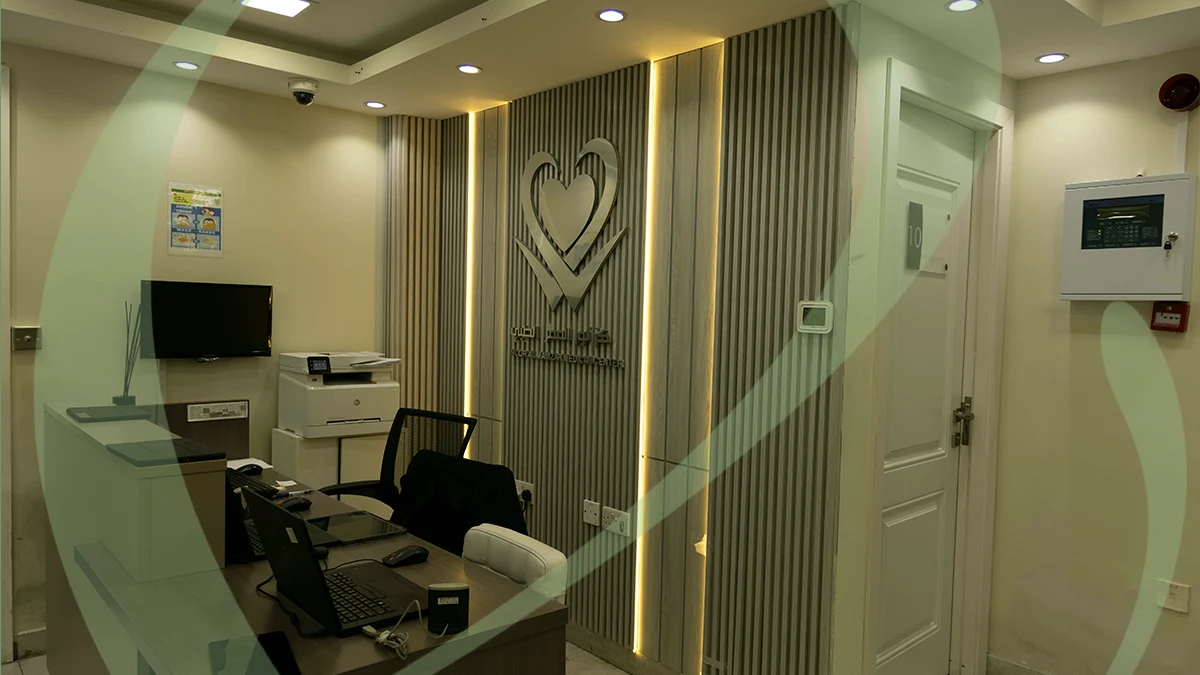
Because ED can be an early marker of cardiovascular disease, timely evaluation is important even if the sexual symptoms seem manageable. Men in Dubai have access to a broad network of qualified specialists. Seeking care at a reputable facility such as Noor Al Mamzar Medical Center ensures comprehensive evaluation, privacy, and evidence-based treatment.
Do not let embarrassment delay your visit. Urologists and sexual health specialists treat ED daily, and effective solutions exist for the vast majority of cases.
Will Insurance Cover ED Treatment?
Insurance coverage for ED treatment in the UAE varies by provider and plan. Key points to consider:
- Many comprehensive health insurance policies cover the diagnostic workup, including blood tests, imaging, and specialist consultations.
- Coverage for specific treatments such as PDE5 inhibitors or penile prosthesis surgery may be excluded or limited.
- Review your policy documents or contact your insurer directly to clarify coverage.
- Some clinics across Dubai offer transparent pricing and flexible payment plans for out-of-pocket services.
- Obtaining a referral from your primary care physician may streamline the insurance approval process.
Reclaim Your Strength and Confidence at Noor Al Mamzar Medical Center
Living with erectile dysfunction does not have to be a permanent reality. The causes of erection not lasting are well understood, and the treatments available today are safer, more effective, and more accessible than ever, particularly for residents of Dubai who benefit from the city’s advanced healthcare ecosystem.
At Noor Al Mamzar Medical Center, a dedicated team of urologists and men’s health specialists provides confidential, evidence-based care tailored to your individual needs. From initial diagnosis through personalised treatment, the focus is on restoring not just erectile function but overall confidence and quality of life.
Take the first step. Schedule a consultation and move toward the solution you deserve.
FAQ’s
How does it feel when you can’t get an erection?
Most men describe physical frustration combined with emotional distress. The penis may remain soft or only partially firm. Feelings of inadequacy, embarrassment, and anxiety are common and can lead to avoidance of intimacy. Recognising these reactions as normal, and knowing effective treatment exists, is an important first step.
What can I do if my partner has erectile dysfunction?
Offer open, non-judgmental communication and avoid framing it as personal rejection. Encourage your partner to seek professional evaluation and offer to attend together. Educate yourself about the condition to become a supportive ally rather than an added source of pressure. Couples counselling can also be helpful.
Why is my erection not lasting long enough?
The causes of erection not lasting range from vascular and neurological conditions to psychological stress, medication side effects, and lifestyle factors like smoking and obesity. Often several factors act together. A thorough medical evaluation is the most reliable way to identify specific contributors and guide treatment.
What is the best natural drink for erectile dysfunction?
No single drink cures ED, but some support vascular health. Pomegranate juice provides antioxidants that promote blood flow. Beetroot juice contains nitrates the body converts into nitric oxide. Watermelon juice offers citrulline, a nitric oxide precursor. These may offer modest benefits but should not replace medical treatment.
What age do men have trouble getting hard?
ED can occur at any age but rises significantly after 40, affecting roughly 40% of men at that age, increasing about 10% per decade. Younger men are not immune as stress and lifestyle factors cause ED in the twenties and thirties too. In Dubai, specialists routinely treat men across all age groups.
Can erectile dysfunction be cured?
In many cases, yes. When ED results from modifiable factors like obesity, smoking, sedentary lifestyle, or psychological stress, addressing them can restore normal function. Even with chronic conditions like diabetes, effective management combined with targeted therapy produces significant improvement. Early intervention yields the best results.
Can masturbation cause ED?
Masturbation itself does not cause ED. However, excessive masturbation combined with reliance on specific techniques or pornography can create arousal patterns that make partnered intercourse more difficult. Reducing frequency, varying technique, and limiting pornography use can help restore a healthier response.
Sources:
- Mayo Clinic: Erectile Dysfunction: Symptoms and Causes. https://www.mayoclinic.org/diseases-conditions/erectile-dysfunction/symptoms-causes/syc-20355776
- National Institute of Diabetes and Digestive and Kidney Diseases (NIDDK): Erectile Dysfunction. https://www.niddk.nih.gov/health-information/urologic-diseases/erectile-dysfunction
- American Urological Association: Erectile Dysfunction: AUA Guideline. https://www.auanet.org/guidelines-and-quality/guidelines/erectile-dysfunction-(ed)-guideline