
Choosing between a cosmetic dermatologist vs esthetician can feel overwhelming, especially when your skin needs professional attention. Both play distinct roles in skincare, yet their training, scope, and treatment capabilities differ significantly. For residents of Dubai – where advanced aesthetic clinics and medical centers are widely accessible – understanding the difference between dermatologist and esthetician is essential to making the right decision for your skin health and achieving your long-term goals.
Overview
- Understanding the difference between a cosmetic dermatologist vs esthetician is essential before booking any skincare treatment – one is a medical doctor, the other a licensed skincare specialist.
- Cosmetic dermatologists diagnose and treat medical skin conditions, perform surgical procedures, and prescribe medications, while estheticians focus on non-invasive treatments like facials, peels, and skincare maintenance.
- Your choice depends on the severity of your concern – medical issues require a dermatologist, while routine skincare maintenance may be handled by a qualified esthetician.
- In Dubai, both professionals must hold valid licenses from the Dubai Health Authority (DHA), ensuring high standards of care across the city.
What Is a Cosmetic Dermatologist?

A cosmetic dermatologist is a board-certified medical doctor who specializes in the health, function, and appearance of the skin. Unlike general dermatologists who primarily treat diseases and infections, cosmetic dermatologists combine medical expertise with aesthetic training to address both health concerns and appearance-related goals.
Medical Training Behind Cosmetic Dermatology
Cosmetic dermatologists complete medical school, followed by a residency in dermatology that typically spans three to four years. Many pursue additional fellowship training in cosmetic and procedural dermatology. This extensive education equips them to understand skin at a cellular level, diagnose complex conditions, and perform advanced procedures safely.
Procedures a Cosmetic Dermatologist Performs
The scope of a cosmetic dermatologist extends well beyond basic skincare. These specialists perform procedures such as:
- Botox and dermal filler injections
- Laser skin resurfacing and laser hair removal
- Chemical peels (medical-grade)
- Scar revision and mole removal
- Treatment of pigmentation disorders and acne scarring
- Skin cancer screenings and biopsies
Because they hold medical licenses, cosmetic dermatologists can also prescribe medications – including retinoids, antibiotics, and immunosuppressants – that estheticians cannot.
What Is an Esthetician?
An esthetician is a licensed skincare professional trained in non-invasive cosmetic treatments. Estheticians focus on improving the appearance and health of the skin through topical treatments, manual techniques, and specialized skincare products. They do not diagnose medical conditions or perform surgical procedures.
The Scope of Esthetician Services
Estheticians provide a range of surface-level skincare services designed to maintain, protect, and enhance the skin. Common treatments include:
- Facials and deep-cleansing treatments
- Superficial chemical peels
- Microdermabrasion
- Waxing and hair removal
- LED light therapy
- Skincare consultations and product recommendations
Their work is valuable for ongoing skin maintenance and for clients who want to establish a consistent skincare routine under professional guidance.
Where Estheticians Typically Work
Estheticians practice in a variety of settings, including spas, salons, wellness centers, and medical offices. In Dubai, many estheticians work within dermatology clinics under the supervision of a licensed physician, which allows them to assist with pre- and post-procedure care for patients undergoing medical treatments.
Key Differences Between Cosmetic Dermatologists and Estheticians
Understanding the difference dermatologist and esthetician comes down to education, scope of practice, and the types of concerns each professional can address. While both work with the skin, their roles are fundamentally different.
Cosmetic Dermatologist vs Esthetician – Education and Authority
A cosmetic dermatologist holds a medical degree and has completed years of postgraduate training in dermatology. This qualifies them to diagnose skin diseases, prescribe medications, and perform invasive procedures. An esthetician, by contrast, completes a vocational training program – typically ranging from several hundred to over one thousand hours depending on the jurisdiction – focused on cosmetic skincare techniques. Estheticians are not authorized to diagnose conditions, prescribe treatments, or break the skin beyond superficial exfoliation.
When Each Professional Is Appropriate
The right choice depends entirely on your skincare needs. If you are dealing with persistent acne, suspicious moles, rosacea, eczema, or scarring, a cosmetic dermatologist is the appropriate provider. If your goal is routine skin maintenance – hydration, gentle exfoliation, relaxation, or product guidance – an esthetician is well-suited to help. In many cases, the two professionals work together: a dermatologist may treat a medical condition and then refer the patient to an esthetician for ongoing maintenance.
Types of Estheticians and What They Do
Not all estheticians offer the same services. The profession includes different levels of specialization, and understanding these distinctions helps you choose the right provider for your needs.
1. Basic Estheticians
A basic or general esthetician performs standard skincare treatments such as facials, waxing, and superficial peels. Their training focuses on skin anatomy, product application, and manual techniques. Basic estheticians are ideal for clients seeking routine treatments to maintain healthy skin.
2. Medical Estheticians
Medical estheticians receive additional training that allows them to work in clinical environments alongside dermatologists and plastic surgeons. They may operate advanced devices such as laser equipment, perform deeper chemical peels under physician supervision, and assist with pre- and post-operative skincare protocols. Across Dubai, medical estheticians play an important role in professional dermatology treatments offered at specialized clinics.
3. Master Estheticians
In some licensing frameworks, a master esthetician holds advanced certification beyond the standard esthetician license. This typically involves additional training hours and competency in more complex procedures. Master estheticians may specialize in areas like oncology skincare, corrective treatments, or advanced anti-aging protocols.
Qualifications and Training Requirements
The qualifications required for cosmetic dermatologists and estheticians differ dramatically, and these differences directly impact the complexity of treatments each can provide.
Dermatologist Qualifications
Becoming a cosmetic dermatologist requires completing a bachelor’s degree, four years of medical school, and a three-to-four-year dermatology residency. Many cosmetic dermatologists pursue additional fellowship training in aesthetic procedures. In Dubai, all practicing dermatologists must be licensed by the Dubai Health Authority (DHA), which verifies credentials, experience, and ongoing professional development. This regulatory framework ensures that patients receive care from highly trained and accountable professionals.
Esthetician Licensing Requirements
Esthetician training programs vary in length depending on the country and licensing body. Programs typically range from 600 to 1,500 hours of coursework and hands-on training. In the UAE, estheticians working in clinical settings must meet DHA licensing requirements, which may include proof of training, supervised practice hours, and ongoing education. When searching for the best dermatologist in dubai, it is important to verify that all professionals in the clinic – including estheticians – hold valid and current licenses.
Cosmetic Dermatologist vs Esthetician – Which One Should You Choose?
Deciding between a cosmetic dermatologist vs esthetician starts with an honest assessment of your skincare concerns. The nature and severity of your issue should guide your decision.
Choose a Cosmetic Dermatologist When You Need Medical Intervention
You should see a cosmetic dermatologist if you are experiencing any of the following:
- Chronic or severe acne that does not respond to over-the-counter products
- Skin growths, moles, or lesions that have changed in size, shape, or color
- Conditions such as rosacea, psoriasis, eczema, or dermatitis
- Deep acne scars or hyperpigmentation requiring laser or medical-grade treatments
- Interest in injectable treatments like Botox or fillers
A dermatologist’s medical training allows them to identify underlying causes, rule out serious conditions, and develop a treatment plan that may include prescription medications, in-office procedures, or a combination of both.
Choose an Esthetician for Maintenance and Wellness
An esthetician is a good choice when your skin is generally healthy and you want to maintain its condition. Regular facials, gentle exfoliation, hydration treatments, and professional skincare advice all fall within an esthetician’s scope. Many people benefit from seeing both professionals – a dermatologist for medical concerns and an esthetician for routine upkeep between clinical visits.
Finding the Right Skincare Professional in Dubai
Dubai’s healthcare landscape offers a wide range of skincare professionals, from luxury spa estheticians to internationally trained cosmetic dermatologists. The key is knowing what to look for and how to verify credentials.
Verify Licensing and Credentials
Before booking any appointment, confirm that the provider holds a valid license from the Dubai Health Authority. The DHA regulates both dermatologists and estheticians, ensuring they meet the qualifications necessary to practice in the emirate. Ask about the provider’s training background, specializations, and experience with your specific concern.
Look for Integrated Clinics
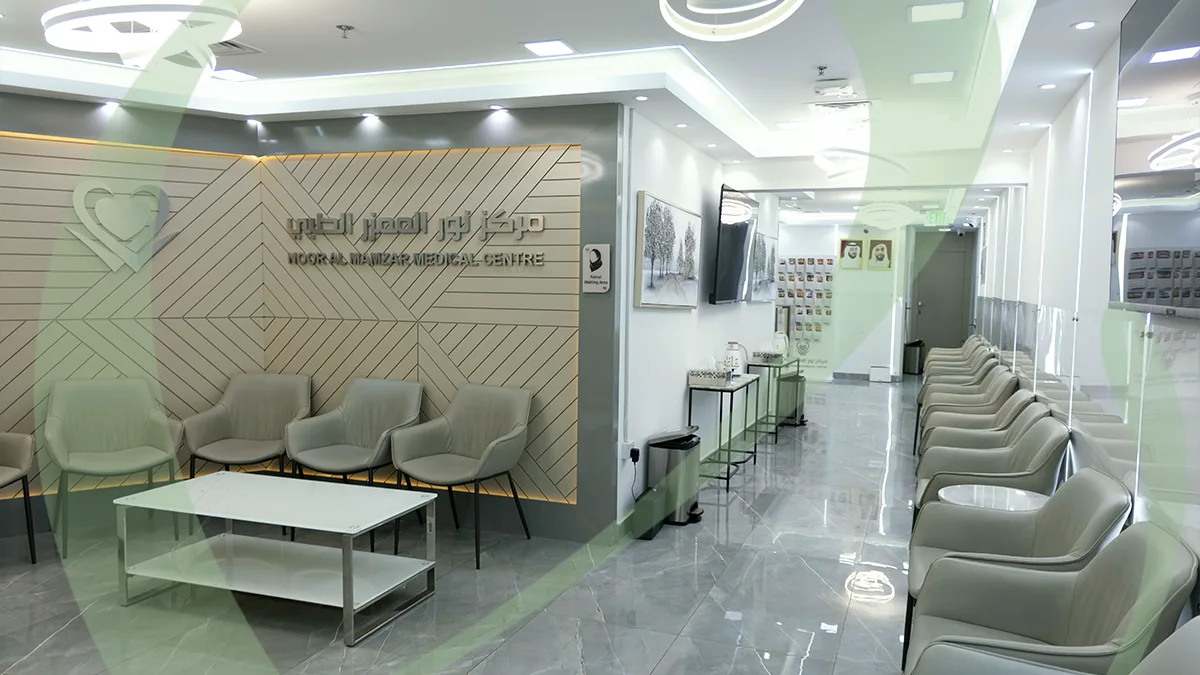
Many of the best outcomes come from clinics that employ both dermatologists and estheticians working collaboratively. This model allows patients to receive comprehensive care – from diagnosis and medical treatment to ongoing maintenance and prevention. Noor Al Mamzar Medical Center is an example of a facility that offers professional dermatology treatments under one roof, ensuring continuity of care and a coordinated approach to your skin health.
Ask the Right Questions
When evaluating a skincare professional in Dubai, consider asking about their experience with your specific condition, the technologies and products they use, and whether they take a collaborative approach with other specialists. A trustworthy provider will be transparent about what they can and cannot treat and will refer you to a more qualified professional when necessary.
Get Expert Skin Care at Noor Al Mamzar Dermatology & Aesthetics
Whether you need a medical evaluation for a persistent skin issue or want to invest in regular skincare maintenance, choosing the right provider makes all the difference. The decision between a cosmetic dermatologist vs esthetician does not have to be complicated – it comes down to the nature of your concern and the level of expertise required.
At Noor Al Mamzar Medical Center, our team of licensed dermatologists and skilled estheticians work together to deliver personalized care tailored to your skin’s unique needs. From advanced cosmetic procedures to relaxing maintenance treatments, every service is delivered under the highest medical standards in Dubai.
Schedule a consultation today to determine the right path for your skincare journey.
FAQ’s
What do dermatologists think of estheticians?
Most dermatologists view estheticians as valuable members of the skincare team. Estheticians complement medical care by providing maintenance treatments, reinforcing routines, and educating patients. The relationship works best when both professionals communicate and collaborate.
What is higher than an esthetician?
A dermatologist holds a higher qualification. Dermatologists are medical doctors with years of specialized training, enabling them to diagnose diseases, prescribe medications, and perform surgical procedures beyond an esthetician’s scope.
Should I see a dermatologist or facialist?
If you have a medical concern such as acne, rosacea, or suspicious growths, see a dermatologist first. A facialist is appropriate for general maintenance like hydration and exfoliation. In Dubai, many clinics offer both services conveniently.
Can an esthetician remove a cyst?
No. Estheticians are not licensed to remove cysts. Cyst removal requires incision, drainage, and sometimes excision of the cyst wall. This must be performed by a qualified physician, typically a dermatologist, in a sterile clinical setting.
What type of doctor removes a sebaceous cyst?
A dermatologist or general surgeon typically removes a sebaceous cyst through minor surgical excision under local anesthesia. A cosmetic dermatologist may be preferred for visible areas like the face to minimize scarring.
Sources:
- American Academy of Dermatology Association – https://www.aad.org/public/faq/what-is-a-dermatologist
- Cleveland Clinic – Esthetician vs. Dermatologist – https://health.clevelandclinic.org/esthetician-vs-dermatologist
- Dubai Health Authority – Healthcare Professionals Licensing – https://www.dha.gov.ae/en/HealthRegulation/Pages/ProfessionalLicensing.aspx